Introduction
Muffins are a breakfast favorite, but not all muffins are the same. While English muffins are known for their chewy texture and signature nooks and crannies, Portuguese muffins (Bolo Lêvedo) offer a softer, slightly sweet alternative.
Originating from the Azores, Portugal, Portuguese muffins are fluffy, cake-like, and cooked on a griddle, creating a golden crust with a tender interior. In contrast, English muffins, which have their roots in England, are savory, denser, and often toasted, making them perfect for butter, jam, or breakfast sandwiches.
Though they serve different culinary purposes, both muffins have a rich history and unique characteristics that make them stand out. This article explores their origins, ingredients, cooking methods, and best ways to enjoy them, helping you decide which one is right for your next meal.
Origins – Where They Come From
Portuguese Muffin (Bolo Lêvedo): A Taste of the Azores
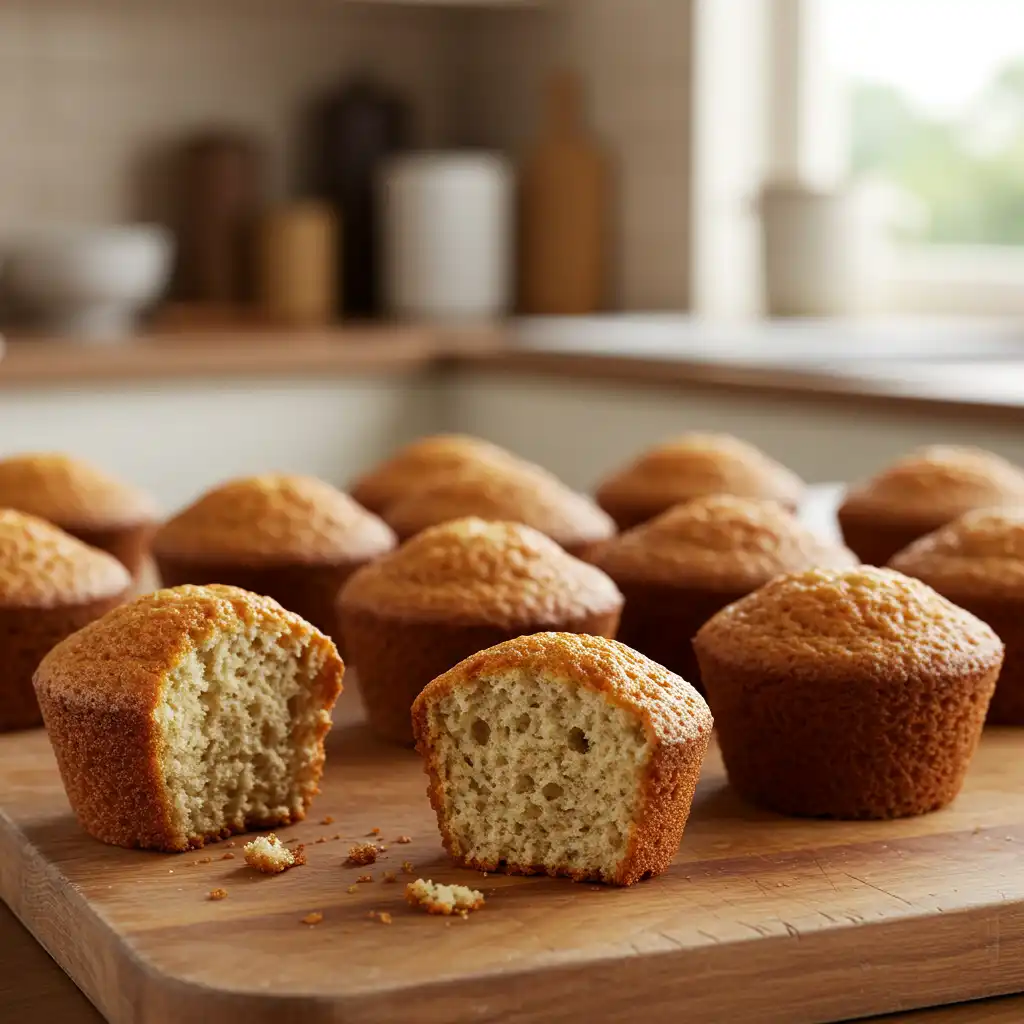
The Portuguese muffin, known as Bolo Lêvedo, has deep roots in the Azores, an archipelago off the coast of Portugal. Unlike traditional muffins, Bolo Lêvedo is more of a sweet, griddled bread that has been a staple in Portuguese households for generations.
This beloved bread is believed to have originated in the 19th century on the island of São Miguel, where local bakers developed a unique way of making a soft, slightly sweet bread using simple, readily available ingredients like flour, milk, eggs, and sugar. Instead of baking it in an oven, they cooked it on a griddle or skillet, a technique that gave it its signature golden crust and fluffy interior.
Historically, Bolo Lêvedo was made in home kitchens and often served during family gatherings, holidays, and celebrations. Over time, it became a daily staple, commonly eaten for breakfast, as a snack, or even as a side with soups and stews. Today, Bolo Lêvedo remains popular not only in Portugal but also in Portuguese immigrant communities, particularly in the United States (especially in New England and California), Canada, and Brazil.
Despite its growing popularity, Portuguese muffins are still often handmade using traditional methods, maintaining their authentic texture and flavor. They are enjoyed plain, toasted, or with butter, jam, honey, or cheese, making them a versatile addition to any meal.
English Muffin: A British Classic with American Popularity
While the English muffin may be associated with traditional British baking, its modern version was actually popularized in America. The origins of English muffins trace back to 10th or 11th century England, where similar griddled breads were made by English bakers using a simple yeasted dough. These early versions were sometimes called “toaster crumpets” due to their texture and preparation method.
However, the English muffin as we know it today was perfected and commercialized by Samuel Bath Thomas, an English immigrant to the United States in the late 1800s. He introduced a denser, chewier version of the muffin, which featured small air pockets (nooks and crannies) that trapped butter when toasted. Thomas’ English muffins became so popular that they are now a staple in American breakfasts, particularly in Eggs Benedict and breakfast sandwiches.
Unlike Portuguese muffins, which have a slight sweetness, English muffins are more savory and mildly tangy due to the use of yeast or sourdough starters. They are also baked and then griddled, which creates their signature crisp, golden exterior and soft, airy interior.
Though they originated in England, English muffins are more common in North America today, where they are widely available in supermarkets and bakeries. The phrase “English muffin” is actually an American term, as in the UK, they are simply referred to as muffins or toasted muffins.
Key Differences in Origins
| Feature | Portuguese Muffin (Bolo Lêvedo) | English Muffin |
| Origin | Azores, Portugal (19th century) | England (10th-11th century) |
| Brought to the US by | Portuguese immigrants | Samuel Bath Thomas (late 1800s) |
| Cooking Method | Griddled | Baked, then griddled |
| Common Texture | Soft, fluffy, slightly sweet | Dense, chewy, crisp when toasted |
| Traditional Uses | Eaten plain, with butter/jam, or as a side | Toasted with butter, used in breakfast sandwiches |
| Popularity Today | Common in Portugal, New England, and Portuguese communities | Widespread in the US and UK |
Both muffins have rich histories and distinct cultural backgrounds, making them unique in their own right. Whether you prefer the sweet, cake-like softness of a Portuguese muffin or the chewy, crispy bite of an English muffin, each has its place in breakfast traditions around the world.
Ingredients – What They’re Made Of
The biggest difference between Portuguese muffins (Bolo Lêvedo) and English muffins lies in their ingredients and dough preparation. While both are yeast-based breads, their composition and texture vary significantly.
Portuguese Muffin (Bolo Lêvedo): A Soft, Sweet Dough
Portuguese muffins are known for their soft, fluffy texture and slightly sweet flavor, which comes from a rich, enriched dough made with the following ingredients:
Traditional Ingredients for Bolo Lêvedo:
- All-purpose flour – Forms the base of the dough, giving structure.
- Milk – Adds moisture and richness, making the muffins soft.
- Sugar – Provides sweetness and enhances browning.
- Eggs – Contribute to the light, fluffy texture.
- Butter – Adds flavor and tenderness.
- Yeast – Leavens the dough, creating a soft and airy consistency.
- Salt – Balances the sweetness and enhances flavor.
Dough Preparation:
- Mixing & Kneading – The dough is mixed with milk, sugar, eggs, butter, and yeast, creating a smooth and elastic dough. Kneading ensures proper gluten development, giving the muffins their signature structure.
- First Rise – The dough is allowed to rise until it doubles in size, which helps develop a light, airy crumb.
- Shaping – Instead of rolling and cutting like English muffins, the dough is shaped into small, round disks.
- Second Rise – The shaped muffins rest again to allow for further expansion.
- Cooking on a Griddle – Unlike English muffins, which are baked, Bolo Lêvedo is cooked on a griddle or skillet, giving them a slightly crisp, golden-brown crust and a soft interior.
This rich, slightly sweet dough sets Portuguese muffins apart from their English counterparts. The use of milk, eggs, and butter gives them a tender, cake-like texture, making them enjoyable on their own or with spreads like butter, jam, or honey.
English Muffin: A Simple, Savory Dough
English muffins, on the other hand, are less sweet and more structured, with a chewier, denser crumb. They are typically made with fewer ingredients, focusing on texture over richness.
Traditional Ingredients for English Muffins:
- Bread flour – Has higher protein content, creating a chewier texture.
- Water or milk – Hydrates the dough; some recipes use milk for extra tenderness.
- Yeast – Provides leavening, helping the muffins rise.
- Salt – Enhances flavor.
- A small amount of sugar – Optional, but used in some recipes to feed the yeast.
- Cornmeal or semolina – Used for dusting, preventing sticking and adding crunch.
Dough Preparation:
- Mixing & Kneading – The dough is mixed until it reaches a soft, slightly sticky consistency. Unlike Portuguese muffins, English muffins contain less fat and sugar, making the dough firmer.
- First Rise – The dough rises until doubled in size, which helps develop flavor.
- Shaping & Cutting – The dough is rolled out and cut into rounds using a cutter. Some versions are shaped into balls and flattened.
- Second Rise – The rounds rest, allowing them to puff up slightly.
- Cooking on a Griddle, Then Baking – English muffins are first griddled on a stovetop to develop their signature golden crust, then baked in the oven to fully cook the interior. This dual cooking method is what gives them their crisp exterior and chewy, airy crumb with distinct nooks and crannies.
The lack of eggs, butter, and a high sugar content makes English muffins denser, less sweet, and more suitable for toasting and pairing with savory toppings.
Key Differences in Ingredients & Dough
| Feature | Portuguese Muffin (Bolo Lêvedo) | English Muffin |
| Flour Type | All-purpose flour | Bread flour |
| Liquid | Milk (adds richness) | Water or milk |
| Sweetness | Slightly sweet (sugar is added) | Mildly savory (little to no sugar) |
| Fats | Butter & eggs (makes dough soft) | Minimal fat, no eggs |
| Yeast | Active dry yeast | Active dry yeast or sourdough starter |
| Texture | Soft, fluffy, cake-like | Chewy, dense, with nooks & crannies |
| Cooking Method | Griddled only | Griddled first, then baked |
Final Thoughts
While both muffins use yeast-leavened doughs, the Portuguese muffin is richer, softer, and slightly sweet, whereas the English muffin is chewier, more structured, and perfect for toasting. These differences in ingredients and preparation methods influence how each muffin is used Portuguese muffins are often enjoyed on their own or with sweet toppings, while English muffins serve as the base for breakfast sandwiches or Eggs Benedict.
The next time you’re craving a breakfast bread, consider whether you’re in the mood for something sweet and fluffy (Portuguese muffin) or something chewy and toastable (English muffin)! For more breakfast inspiration, check out our favorite muffin recipes or breakfast pastries.
Cooking – How They’re Prepared
The cooking method is one of the key differences between Portuguese muffins (Bolo Lêvedo) and English muffins, directly affecting their texture, flavor, and how they are enjoyed. While both begin as yeast-risen doughs, the way they are cooked determines whether they have a soft, cake-like texture or a chewy, craggy interior perfect for toasting.
Portuguese Muffins (Bolo Lêvedo) – Cooked on a Griddle
Portuguese muffins are griddle-cooked only, similar to how pancakes or flatbreads are made. This method gives them a lightly crisp exterior while keeping the inside soft, tender, and slightly sweet.
Step-by-Step Cooking Process:
- Preheat the Griddle or Skillet – A dry, non-stick skillet or griddle is heated over medium-low heat to prevent burning.
- Shape the Dough – The risen dough is divided into thick, round discs, which help retain moisture while cooking.
- Cook Slowly on Low Heat – The muffins are placed on the griddle and cooked for 5-7 minutes per side, allowing them to develop a golden-brown crust while staying soft inside.
- Flip and Cook the Other Side – Once the bottom is golden, the muffins are carefully flipped to cook the other side evenly.
- Cool and Serve – After cooking, they are allowed to rest slightly, ensuring they stay moist and fluffy.
Resulting Texture & Flavor:
- Exterior: Lightly crisp, golden brown.
- Interior: Soft, fluffy, and slightly sweet.
- Best Enjoyed: Warm with butter, jam, honey, or as a snack.
Because Portuguese muffins are not baked, they retain a moist, cake-like texture, making them delicious straight from the pan without requiring toasting.
English Muffins – Griddled, Then Baked for a Crisp Finish
Unlike Portuguese muffins, English muffins follow a dual cooking process: they are first griddled to create a golden crust, then baked in the oven to ensure a fully cooked, chewy interior. This method is what creates the signature nooks and crannies, perfect for trapping melted butter and spreads.
Step-by-Step Cooking Process:
- Preheat the Griddle or Skillet – A pan is heated over medium heat. Some recipes call for dusting the muffins with cornmeal to prevent sticking and add texture.
- Griddle Each Side – The muffins are placed on the griddle and cooked for 4-5 minutes per side, creating a golden-brown crust.
- Transfer to the Oven – Once both sides are browned, the muffins are moved to a 350°F (175°C) oven and baked for 10-15 minutes. This ensures they are fully cooked inside.
- Cool Before Serving – Once out of the oven, the muffins are cooled before being split and toasted.
Resulting Texture & Flavor:
- Exterior: Firm and crisp when toasted.
- Interior: Chewy, dense, with airy pockets (nooks & crannies).
- Best Enjoyed: Split open, toasted, and topped with butter, jam, or used for breakfast sandwiches.
The baking step is crucial for English muffins because it removes excess moisture, making them sturdier and better suited for toasting.
Key Differences in Cooking Methods
| Feature | Portuguese Muffin (Bolo Lêvedo) | English Muffin |
| Cooking Method | Cooked entirely on a griddle | Griddled first, then baked |
| Cooking Time | 10-14 minutes on low heat | 4-5 minutes on a griddle, 10-15 minutes in the oven |
| Crust Texture | Lightly crisp, golden brown | Firm, crisp when toasted |
| Interior Texture | Soft, fluffy, cake-like | Chewy, dense, with nooks & crannies |
| Best Way to Eat | Warm with butter, jam, or honey | Split, toasted, and topped with butter or eggs |
Final Thoughts
The cooking method is what truly sets these two muffins apart. If you prefer a soft, slightly sweet muffin that’s ready to eat right off the griddle, Portuguese muffins are the perfect choice. If you enjoy a chewy, toasty muffin with a crispy bite, English muffins are the way to go.
Each has its own unique charm and uses, so whether you’re in the mood for a fluffy, tender bread or a crisp, toasted breakfast muffin, both options bring something special to the table! For other breakfast options that use griddle cooking, check out our pancake breakfast ideas.
Taste, Texture & Best Uses
The biggest differences between Portuguese muffins (Bolo Lêvedo) and English muffins come down to their taste, texture, and how they are best enjoyed. While both are breakfast staples, their unique ingredients and cooking methods give them distinct characteristics that make them suited for different types of meals.
Taste & Flavor Profile
Portuguese Muffins – Lightly Sweet & Buttery
Portuguese muffins have a delicate sweetness due to the inclusion of sugar, milk, eggs, and butter in the dough. Their flavor is rich, slightly caramelized from griddling, and has a soft, tender quality that makes them enjoyable on their own. They are mildly sweet but not overpowering, making them a great option for those who enjoy a touch of natural sweetness in their breakfast bread.
English Muffins – Savory & Mildly Tangy
English muffins have a more neutral, slightly savory flavor. Some recipes incorporate sourdough, which adds a mild tanginess. Unlike Portuguese muffins, they are not sweet, making them ideal for both savory and sweet toppings. Their mild flavor allows them to pair well with eggs, butter, cheese, and spreads.
Texture Comparison
Portuguese Muffins – Soft, Fluffy, and Moist
The texture of Portuguese muffins is light and fluffy due to the enriched dough. The addition of milk, butter, and eggs makes them more tender than English muffins. Since they are cooked entirely on a griddle, they remain soft and moist, with a slightly crisp exterior. They are easy to tear apart and do not require toasting to enhance their texture.
English Muffins – Dense, Chewy, and Crisp When Toasted
English muffins have a firmer, chewier texture with distinct nooks and crannies that develop when split open. Their structure is denser because they are first griddled and then finished in the oven. When toasted, they become crisp on the outside while retaining a chewy, airy interior that holds butter and spreads well.
Best Uses & Serving Suggestions
Portuguese Muffins
Portuguese muffins are best enjoyed warm and fresh. They do not need to be toasted, as they are already soft and flavorful. Common ways to enjoy them include serving them with butter, jam, or honey for a simple breakfast. They also pair well with cream cheese, cinnamon sugar, or chocolate spread for a sweet snack. In some cases, they can be used as a bun for sandwiches, especially for those who prefer a slightly sweet bread base.
English Muffins
English muffins are almost always toasted before serving. Their chewy texture and crisp crust make them ideal for butter, eggs, cheese, and meats. They are commonly used for breakfast sandwiches, with eggs and bacon, or in Eggs Benedict, where their sturdy structure holds up well to hollandaise sauce. They also work well with avocado, smoked salmon, or hummus for a more savory option.
Final Thoughts
The choice between Portuguese muffins and English muffins depends on personal preference and how they will be used. If you enjoy a soft, slightly sweet bread that is ready to eat without toasting, Portuguese muffins are a great option. If you prefer a chewy, dense bread that crisps up beautifully when toasted and pairs well with savory ingredients, English muffins are the better choice. Both have their place in different meals, making them excellent breakfast and snack options.
Conclusion
While Portuguese muffins (Bolo Lêvedo) and English muffins may look somewhat similar at first glance, they are fundamentally different in origin, ingredients, cooking methods, texture, and best uses.
Portuguese muffins are soft, slightly sweet, and fluffy, cooked entirely on a griddle, making them naturally moist and tender. They are best enjoyed warm with butter, jam, honey, or as a standalone treat, requiring no toasting. Their rich, cake-like texture makes them a delightful choice for those who prefer a mildly sweet bread.
English muffins, on the other hand, are denser, chewier, and have signature nooks and crannies, which allow them to soak up butter and spreads. They are griddled first, then baked, making them ideal for toasting and pairing with eggs, cheese, and savory toppings. Their crisp texture when toasted makes them a go-to option for breakfast sandwiches and classic dishes like Eggs Benedict.
Ultimately, the choice comes down to personal preference and how you plan to enjoy them. Whether you prefer the sweet, tender bite of a Portuguese muffin or the chewy, toasty texture of an English muffin, both have their unique charm and can elevate any breakfast or snack experience.
For more breakfast ideas, explore our breakfast pastries, sourdough breakfast recipes, or favorite muffin recipes.
Have you tried both? Which one is your favorite? Let us know in the comments!
FAQs
What is the difference between English and Portuguese muffins?
Portuguese muffins (Bolo Lêvedo) are soft, slightly sweet, and fluffy, cooked entirely on a griddle, while English muffins are chewy, dense, and savory, griddled then baked, with signature nooks and crannies for toasting.
What is muffin in Portuguese?
The word “muffin” in Portuguese is “muffin”, but Portuguese muffins are called “Bolo Lêvedo.”
Is Portuguese rice cake gluten-free?
Traditional Portuguese rice cakes (Bolo de Arroz) are gluten-free if made with 100% rice flour, but some recipes include wheat flour, so always check the ingredients.
What is a Portuguese bread that looks like an English muffin?
Bolo Lêvedo, a soft, slightly sweet, griddled bread from the Azores, Portugal, resembles an English muffin but does not require toasting.
What is a Portuguese bakery called?
A “pastelaria” specializes in pastries and sweets, while a “padaria” sells bread and baked goods.
What is junk food in Portuguese?
Junk food is called “comida lixo” or “comida não saudável”. People also say “fast food” or “porcaria” for unhealthy snacks.
Portuguese Muffins (Bolo Lêvedo)
Ingredients
For Portuguese Muffins (Bolo Lêvedo)
- 3 cups All-purpose flour Forms the base of the dough.
- 1 cup Milk Adds moisture and richness.
- 2 tablespoons Sugar Provides sweetness.
- 2 large Eggs Contribute to the light texture.
- 2 tablespoons Butter Adds flavor and tenderness.
- 1 tablespoon Yeast Leavens the dough.
- 1/2 teaspoon Salt Enhances flavor.
For English Muffins
- 3 cups Bread flour Creates a chewier texture.
- 1 cup Water or milk Hydrates the dough.
- 1 tablespoon Yeast For leavening.
- 1/2 teaspoon Salt Enhances flavor.
- 1 teaspoon Sugar Feeds the yeast.
- 1 tablespoon Cornmeal or semolina Used for dusting.
Instructions
Preparation for Portuguese Muffins
-
Mix all ingredients together except for flour and salt until well combined.
-
Gradually add flour while kneading to form a smooth dough.
-
Let the dough rise in a warm place until doubled in size.
-
Shape into small discs and allow to rise again.
-
Cook on a preheated griddle for 5-7 minutes on each side.
-
Remove and let cool slightly before serving warm.
Preparation for English Muffins
-
Mix all ingredients to form a firm dough.
-
Allow dough to rise until doubled.
-
Roll out and cut into rounds.
-
Griddle on each side for 4-5 minutes till golden.
-
Transfer to the oven at 350°F (175°C) for remaining cook time of 10-15 minutes.
-
Let cool before splitting and toasting.
Notes