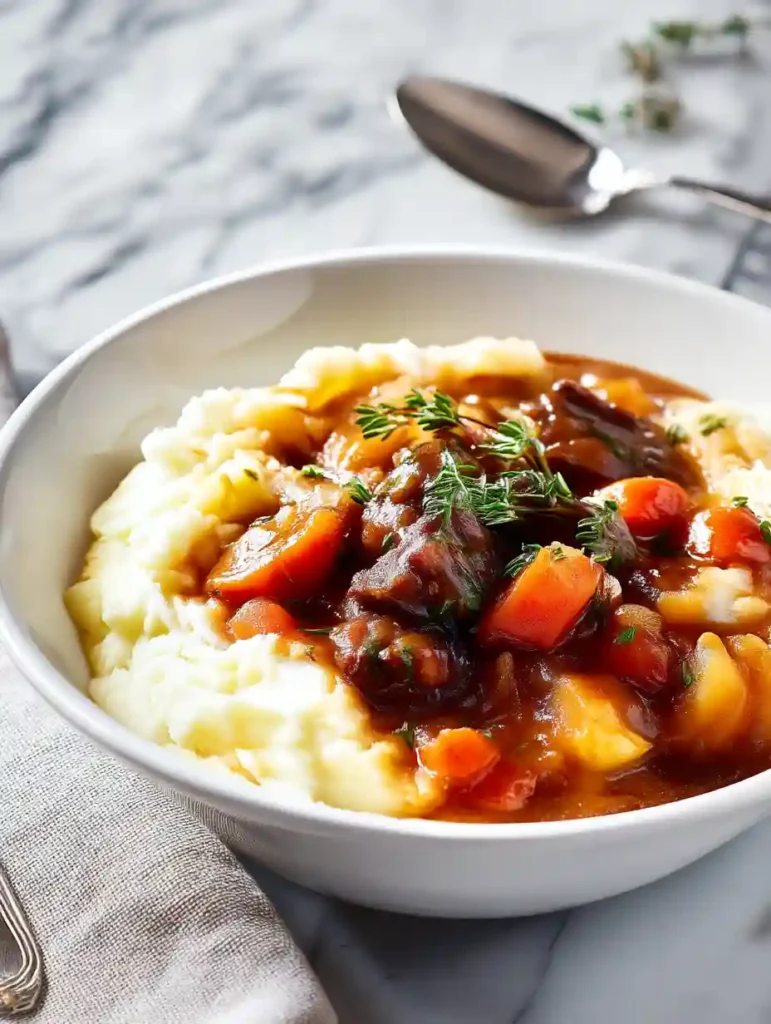
Comfort food takes on a cozy, autumnal twist in this Apple Cider Stew over Mashed Potatoes a recipe that brings warmth to your kitchen with every bite. Infused with the rich tang of apple cider and layered with hearty vegetables and tender beef, this stew is like a hug in a bowl. Served over creamy mashed potatoes, it’s the kind of dish that reminds you of home, no matter where you are. In this article, I’ll walk you through the inspiration behind it, the best ingredients, and every step to master this crowd-pleaser.
Why Apple Cider Stew Over Mashed Potatoes Feels Like Home
When Fall Meets Family Memories
I still remember the first time I tasted stew made with apple cider it was at my grandmother’s house in Wisconsin, with golden leaves fluttering outside and the whole place smelling like cinnamon, cloves, and roasted beef. She’d always say, “Cider brings a little sparkle to the pot.” And she wasn’t wrong. That light acidity from the cider cuts through the richness of the meat, while the sweet notes bring depth you simply can’t get from broth alone.
Now, I’ve adapted her method to make it even more nourishing and easy for modern families. It’s packed with clean ingredients, skips the wine, and stays true to traditional American flavors the kind that make you want seconds and thirds. And if you’re already thinking about dessert after this meal, our healthy oatmeal cookies are a warm and wholesome follow-up to this cozy dish.
The keyword Apple Cider Stew over Mashed Potatoes fits perfectly here, because that’s exactly what this dish is: a comforting, layered meal that elevates humble ingredients with bold flavor. You don’t need anything fancy just a bit of time and a whole lot of love.
How Apple Cider Transforms a Basic Stew
If you’re wondering whether you can put apple cider in beef stew the answer is a resounding yes. It doesn’t just blend in, it transforms. Where red wine or beer might dominate the pot, cider partners with the meat, vegetables, and herbs to build something totally unique.
Even better, this dish is alcohol-free. We use fresh, unfermented cider that adds all the flavor without any fermentation. That means you can serve it at weeknight dinners, Sunday lunches, or even holidays and everyone at the table, including kids, can enjoy it.
A pro tip? Choose a cider that’s slightly tart rather than overly sweet it’ll highlight the savory elements of your stew even more. This trick gives the dish a home-cooked richness that rivals restaurant versions, without any complicated techniques.
Choosing the Right Ingredients for Apple Cider Stew
Ingredient Breakdown Flavor Starts with Freshness
To build deep, satisfying flavor in this Apple Cider Stew over Mashed Potatoes, each ingredient must bring something to the table literally. We’re not talking about a long, intimidating list, but smart, purposeful choices.
Here’s what you’ll need:
- Beef chuck roast – It’s the ideal cut for stew, marbled just enough to break down slowly and remain juicy.
- Apple cider – Opt for fresh, unfiltered, non-alcoholic cider (not vinegar or hard cider). The natural sugars and acids create that signature taste.
- Carrots, parsnips & celery – Earthy, rooty, and aromatic, these veggies hold up to long cooking.
- Onion & garlic – The base of every good stew. Sauté until translucent for maximum flavor release.
- Beef broth (low-sodium) – Supports the apple cider with savory depth.
- Bay leaves & thyme – These herbs add balance to the sweetness of the cider.
- Yukon Gold potatoes – For the mash. They’re naturally creamy and don’t require too much butter to shine.
- Olive oil, salt, pepper, and a bit of butter – Everyday staples, nothing fancy.
To keep the dish inclusive, we skip any form of pork or alcohol. That’s why beef broth and cider (rather than wine or bacon) play the lead roles in this rich, flavorful stew.
Curious about ingredient swaps? If you’re out of parsnips, try turnips or even rutabaga. No fresh thyme? Use a pinch of dried. Flexibility matters when you’re cooking for a crowd. And if you enjoy naturally sweet root veggies, you’ll love the balance of savory and sweet in our creamy butternut pumpkin udon noodles too.
Mashed Potatoes That Steal the Show
Now let’s talk about the foundation of this dish the mashed potatoes. These aren’t your average weeknight mash. They’re silky, rich, and the perfect pillow for that cider-rich stew.
Here’s the key: boil your Yukon Golds whole and with the skin on. This keeps the starches from washing out and helps the flavor concentrate inside the potato. After boiling until fork-tender, peel and mash while hot using a ricer or masher for the fluffiest texture.
Add warm butter and a splash of the reserved potato water (or plant-based milk for a dairy-free twist). Salt generously underseasoned mash is where most people miss the mark. Stir just until combined. Overmixing? That’s the enemy of creamy mash.
No need to boil potatoes in cider save that flavor bomb for the stew. Trust the natural nuttiness of the potatoes to contrast beautifully with the sweet-savory richness of the apple cider beef.
Cooking the Apple Cider Stew to Perfection
Step-by-Step: From Sear to Simmer
Making this dish feels like the kind of quiet ritual that defines cool-weather cooking it’s simple, but it invites you to slow down and enjoy the process.
Here’s how it goes:
- Sear the beef: Start with chunks of well-trimmed chuck roast. Season them with salt and pepper, then brown in batches in a Dutch oven with olive oil. Don’t crowd the pan you want that deep, golden crust.
- Build your flavor base: In the same pot, sauté chopped onions, carrots, celery, and garlic until soft. Scrape up all those delicious brown bits.
- Add liquids: Stir in your apple cider, beef broth, herbs, and the seared beef. Bring it all to a gentle boil.
- Simmer low and slow: Cover and reduce to a low simmer for 1.5 to 2 hours. You want the meat fork-tender and the liquid thickened into a glossy, aromatic gravy.
If you’re wondering, does boiling apple cider remove alcohol? In this recipe, we use non-alcoholic cider but if you ever use hard cider elsewhere, yes, long simmering would cook off most of the alcohol. Here, it’s just about the fruit and spice.
This method ensures the stew stays deeply flavorful without being heavy. The apple cider doesn’t dominate it enhances. The beef is juicy, the carrots tender, and the kitchen smells like a fall memory come to life.
Timing the Potatoes and Serving Like a Pro
While your stew simmers, start the mashed potatoes. Boil your Yukon Golds for 20 minutes, peel, mash, season, and set aside but here’s the trick: keep them warm.
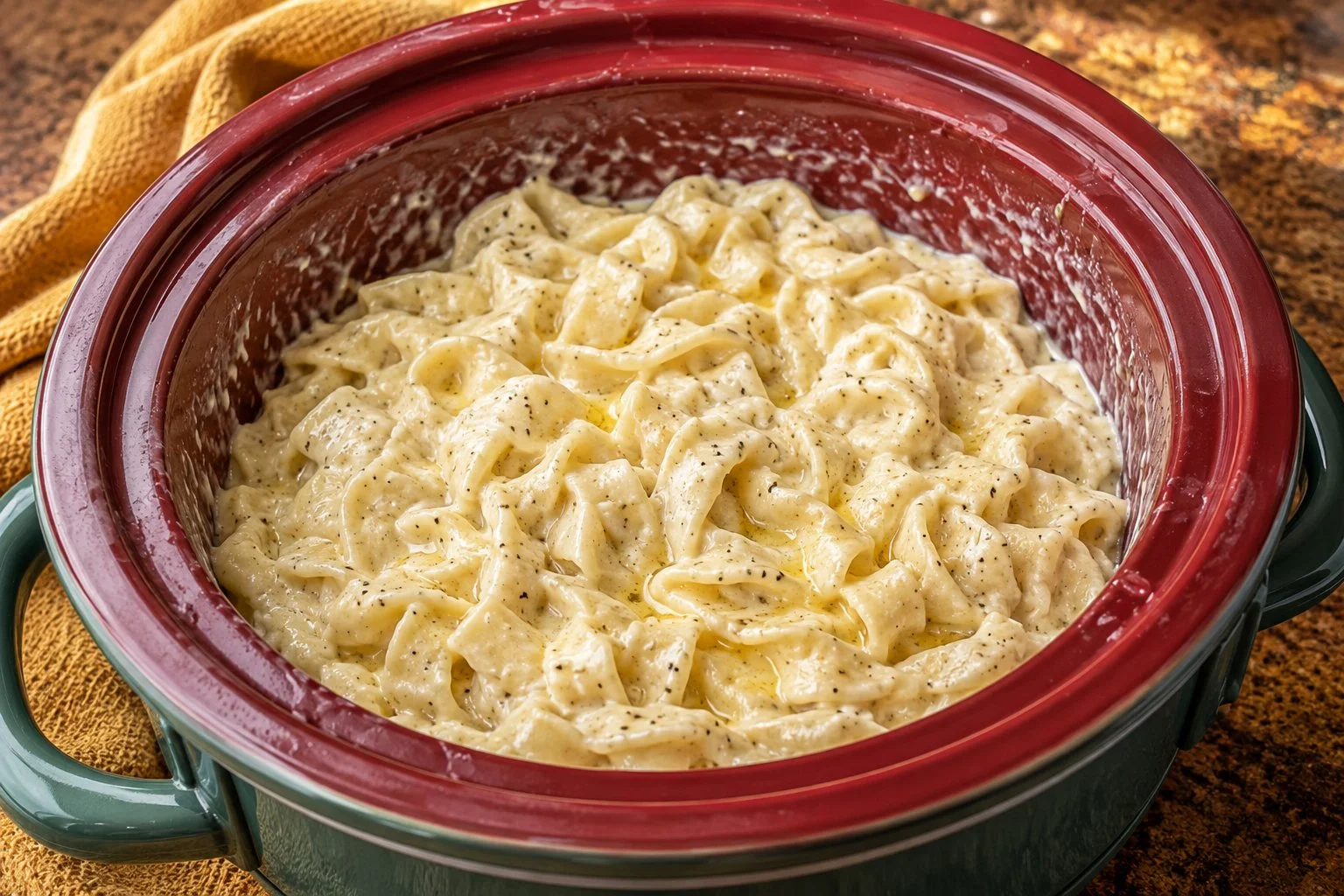
The best way? Add a pat of butter to the bottom of a slow cooker or a warm pot, place the mashed potatoes inside, cover tightly, and keep on warm. This holds them perfectly until the stew is ready to ladle over.
Serving tip: Use a wide bowl and make a shallow crater of mashed potatoes, then spoon the cider stew right into the center. The juices soak into the mash and every bite delivers a perfect ratio of creamy, meaty, and sweet-savory flavor. It’s as hands-off as our chicken shawarma sheet pan dinner, just with a bit more simmer time for that ultra-rich finish.
Leftovers, Storage, and Second-Day Magic
How to Store and Reheat Like a Chef
Leftovers aren’t just convenient they’re often better. Apple-based stews deepen in flavor overnight, and that makes this dish ideal for meal prep or make-ahead gatherings.
Storing tips:
- Let the stew cool completely before storing.
- Use an airtight glass container to avoid plastic absorbing odors. For best practices, see the USDA’s food safety basics.
- Refrigerate for up to 4 days.
- Freeze in portions for up to 3 months perfect for future lunches.
When you’re ready to reheat, gently warm the stew on the stovetop over medium-low heat. Add a splash of broth if it’s thickened too much in the fridge.
As for the mashed potatoes? They reheat best in a saucepan with a bit of butter and a splash of milk. Stir frequently to maintain texture. Don’t microwave them unless you enjoy gluey mash (nobody does).
Transforming Leftovers into Something New
Leftovers can be dinner rebooted. That’s where this stew really shines.
Here are a few fun ideas:
- Stew Pot Pie: Spoon the chilled stew into a baking dish, top with puff pastry, and bake at 400°F until golden. No one will guess it started as leftovers.
- Shepherd’s Pie Twist: Spread leftover mash into a casserole, top with the reheated stew, sprinkle on breadcrumbs or dairy-free cheese, and bake until bubbling.
- Stuffed Baked Potatoes: Use the stew as a hearty topping for baked potatoes or roasted sweet potatoes.
- Hand Pies: Wrap the stew in store-bought pastry dough and bake until crisp for a savory grab-and-go snack.
These reinventions make your hard work stretch further while keeping meals exciting. It’s like having a whole week of cozy dinners from one evening’s effort a total win for busy cooks. And when the night winds down, why not pair it with a seasonal sweet like our classic pumpkin pie for the perfect fall finish?
FAQs
u003cstrongu003eCan I put apple cider in beef stew?u003c/strongu003e
Absolutely. It adds subtle sweetness and acidity, enhancing depth without overpowering.
u003cstrongu003eCan I use apple cider to boil potatoes?u003c/strongu003e
Technically yes, but it’s not recommended here it would overpower the mash and waste good cider. Water with salt works best.
Do I boil potatoes before putting in a stew?
No in this recipe, potatoes are served mashed underneath the stew. Boil separately for best texture.
What to do with apple mash after making cider?
Use it in baking (like muffins or cakes), compost it, or add to homemade veggie broth for sweetness.
What can I do with leftover apple cider?
Try it in marinades, salad dressings, glazes, or drink it warm with cinnamon and cloves.
Does boiling apple cider remove alcohol?
Yes, simmering removes most alcohol from hard cider but this recipe uses non-alcoholic cider from the start.
Apple Cider Stew Over Mashed Potatoes
Ingredients
For the Stew
- 2 lbs Beef chuck roast Ideal cut for stew, marbled for juiciness.
- 4 cups Apple cider Fresh, unfiltered, non-alcoholic.
- 2 cups Carrots, chopped Adds earthy sweetness.
- 1 cup Parsnips, chopped Optional, can be swapped with turnips.
- 2 cups Celery, chopped Aromatic for depth of flavor.
- 1 large Onion, chopped Base flavor, sauté until translucent.
- 4 cloves Garlic, minced Enhances overall flavor.
- 4 cups Beef broth, low-sodium Supports the apple cider’s flavor.
- 2 leaves Bay leaves For aromatic depth.
- 1 tsp Thyme, fresh or dried Balancing herb for sweetness.
For the Mashed Potatoes
- 2 lbs Yukon Gold potatoes Naturally creamy, perfect for mashing.
- 4 tbsp Butter, unsalted For enriching the flavor.
- to taste Salt Essential for seasoning.
- to taste Pepper For added flavor.
- 1/2 cup Reserved potato water or milk To achieve desired creaminess.
Everyday Staples
- 2 tbsp Olive oil For sautéing.
Instructions
Preparation of the Beef
- Season the beef chuck roast with salt and pepper, then cut it into chunks.
- In a Dutch oven, heat the olive oil over medium-high heat and sear the beef in batches until browned on all sides.
Flavor Base
- In the same pot, add onions, garlic, carrots, celery, and parsnips. Sauté until softened.
- Scrape up any browned bits from the bottom of the pot for extra flavor.
Building the Stew
- Add the seared beef back to the pot, along with the apple cider, beef broth, bay leaves, and thyme.
- Bring the mixture to a gentle boil, then cover and reduce to a low simmer for 1.5 to 2 hours.
- Simmer until the meat is fork-tender and the liquid has thickened.
Mashed Potatoes
- Boil Yukon Gold potatoes whole and with skin on until fork-tender, about 20 minutes.
- Peel and mash the potatoes while hot using a ricer or masher.
- Mix in warm butter and reserved potato water or milk, seasoning with salt and pepper to taste.
Serving
- Use a wide bowl to create a shallow crater of mashed potatoes, spoon the cider stew into the center.
Notes










Leave a Reply