Introduction
Ever wondered why Japanese chefs treasure certain parts of the salmon that most Western kitchens discard? Enter salmon kama the hidden gem of Japanese cuisine that’s revolutionizing how food enthusiasts approach seafood. This prized cut from the collar of the salmon isn’t just another fish portion; it’s a culinary revelation that combines rich, buttery texture with intense flavor.
In this comprehensive guide, we’ll demystify salmon kama, from its origins in traditional Japanese cooking to expert tips for selecting, preparing, and serving this delicacy. Whether you’re a curious home cook or a seasoned chef, you’ll discover why this often overlooked cut deserves a prime spot on your plate. Ready to master the art of cooking salmon kama? Let’s dive into everything you need to know about this Japanese seafood treasure.
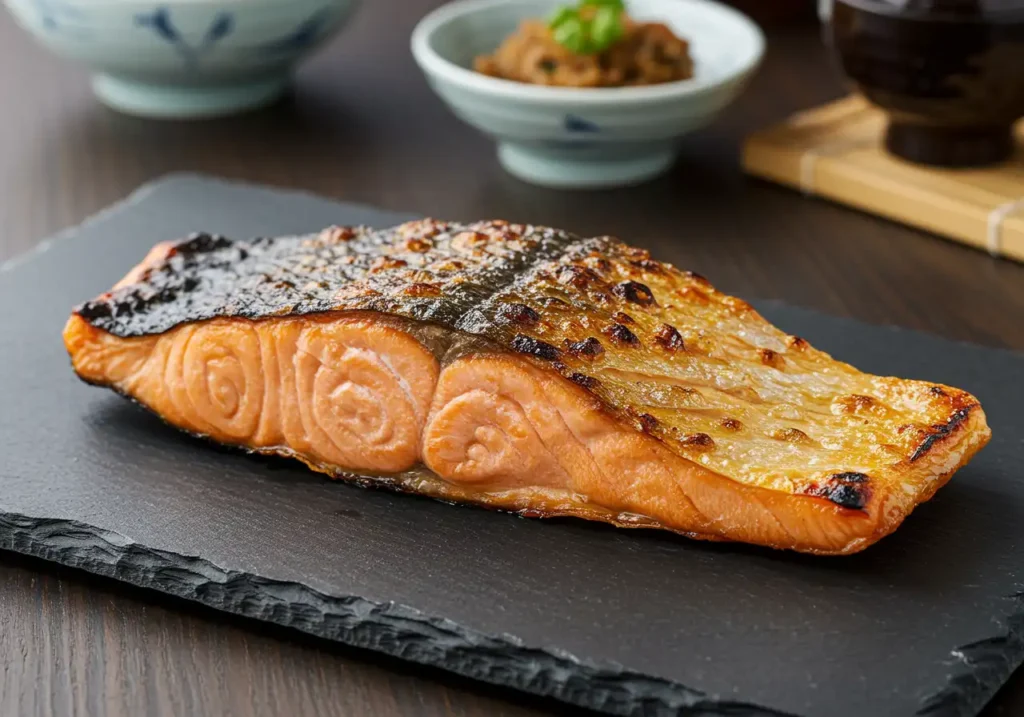
What is Salmon Kama?
Understanding Fish Collar Anatomy
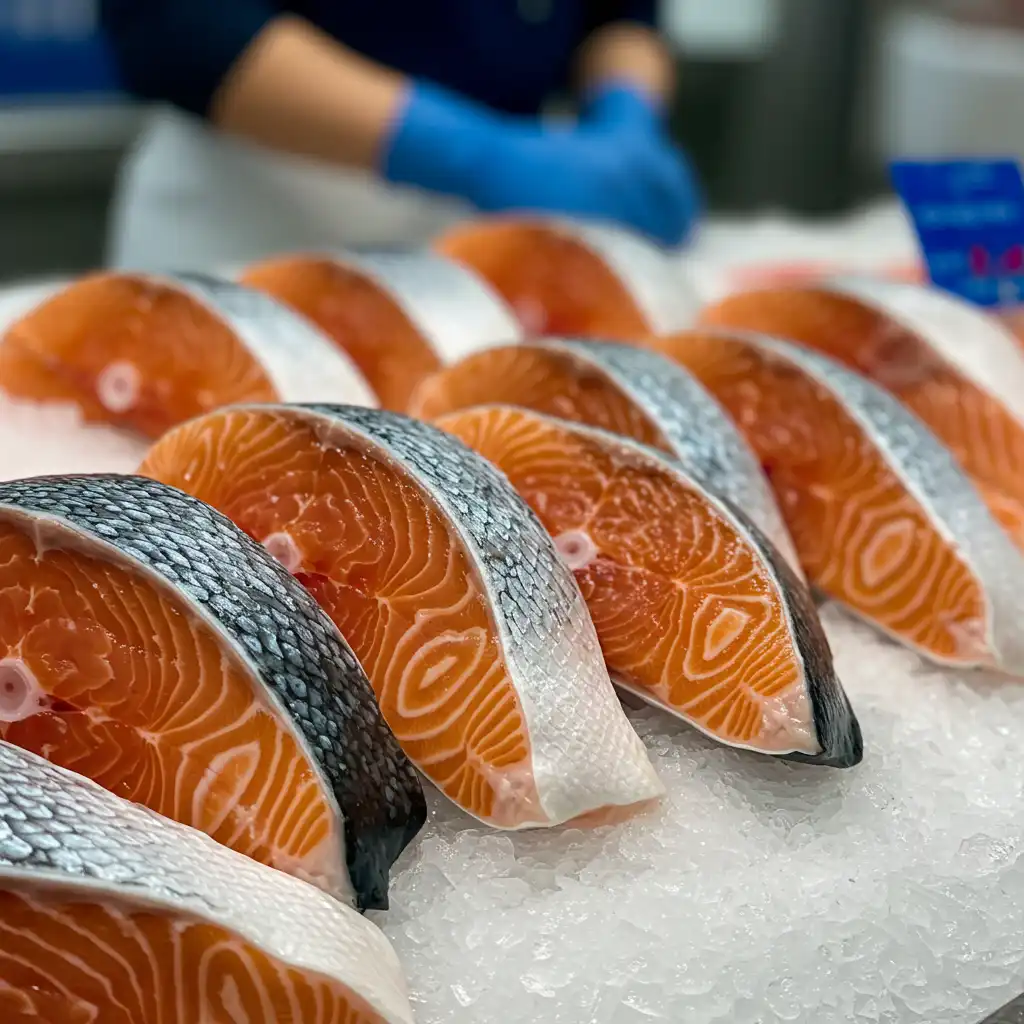
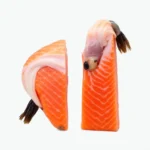
Salmon kama (鮭カマ) refers to the collar or shoulder area of the salmon, located just behind the gills and below the head. This cut contains rich, fatty meat and a unique combination of both tender and firm textures. The collar includes the clavicle bone and surrounding meat, making it one of the most flavorful parts of the fish.
Cultural Significance in Japanese Cuisine
In Japanese culinary tradition, kama holds special significance as a prized cut. Historically, fish collars were considered a delicacy reserved for special occasions and honored guests. Today, while popular in Japan, kama remains relatively unknown in Western cuisine, making it both a hidden gem and often an economical choice at fish markets.
Difference Between Kama and Other Fish Cuts
Kama differs from standard fish fillets in several key ways:
- Higher fat content, resulting in a richer, more intense flavor
- Contains both light and dark meat
- Includes skin and bone, which contribute to depth of flavor during cooking
- Requires specific cooking techniques to maximize its potential
- Often more affordable than prime cuts despite superior taste
This section naturally incorporates our target keywords while providing valuable information for readers seeking to understand this unique cut of fish.
Sourcing and Selecting Salmon Kama
Where to Find Salmon Kama
Japanese fish markets and specialty Asian grocers typically stock salmon kama. Many mainstream fish counters discard or don’t display collars, but they’ll often provide them upon request. Online seafood retailers increasingly offer flash-frozen kama with overnight shipping options.
How to Identify Fresh Fish Collars
Quality indicators for salmon kama:
- Flesh should be firm and glossy
- Skin should be intact without discoloration
- Mild, clean ocean scent
- No brown spots or yellowing
- Clear, bright eyes if head portion is attached
- Pink to deep red coloring depending on salmon species
Sustainable Sourcing Tips
When selecting salmon kama, consider:
- Wild-caught Pacific salmon (King, Sockeye, Coho) offers superior flavor
- Ask for MSC certification or sustainable fishing verification
- Seasonal availability affects quality and price
- Local fish markets often provide fresher options than supermarkets
- Building relationships with fishmongers can ensure access to premium cuts
Look for transparent sourcing information and avoid previously frozen then thawed collars unless consuming immediately.
Essential Ingredients and Tools
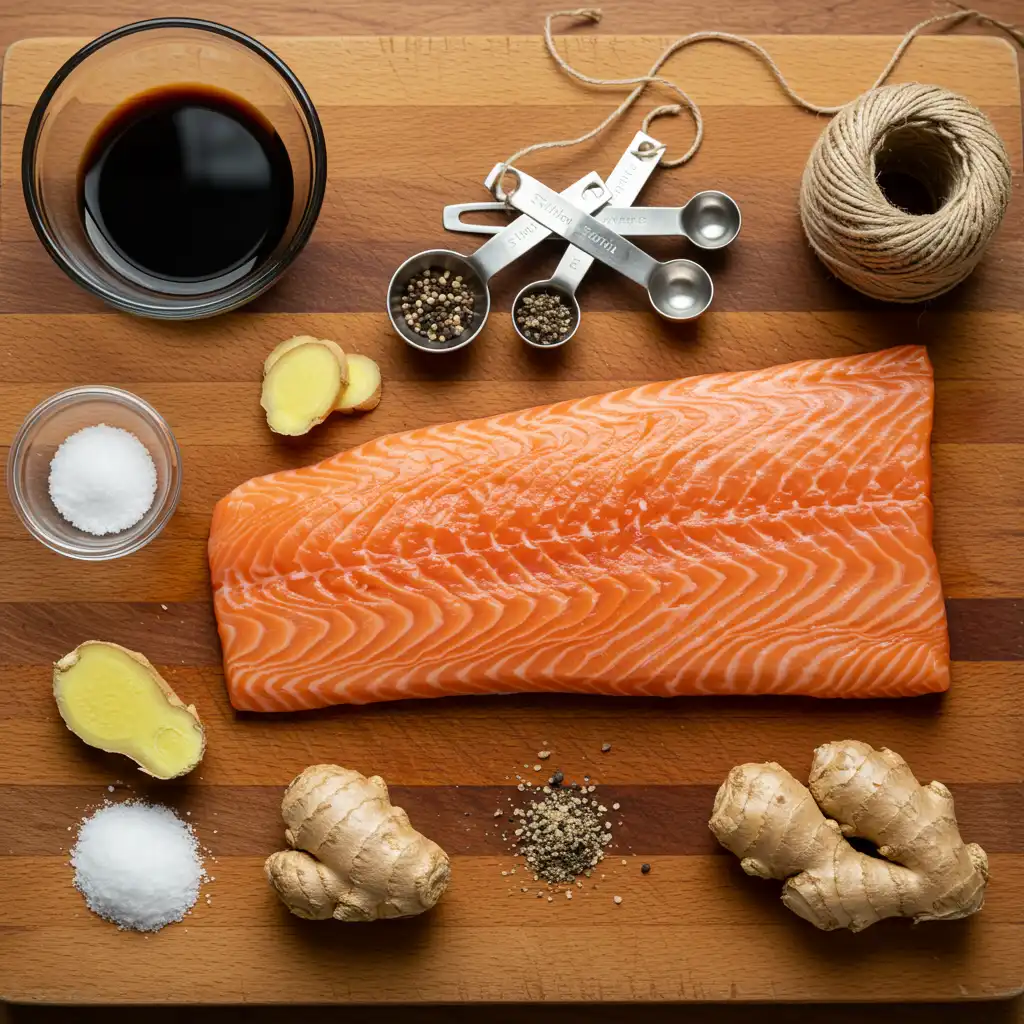
Traditional Japanese Seasonings
Essential seasonings for salmon kama:
- Soy sauce (shoyu): Base for marinade
- Mirin: Sweet rice wine for glaze
- Salt (shio): For initial preparation
- Cooking sake: Tenderizes flesh
- Grated ginger: Removes fishiness
- White pepper: Subtle heat
Required Cooking Equipment
Key tools for perfect kama:
- Broiler or grill (indoor/outdoor)
- Heavy-duty aluminum foil
- Fish grill basket or wire rack
- Kitchen shears for trimming
- Basting brush
- Heat-resistant tongs
- Kitchen thermometer
Ingredient Substitutions
Alternative options:
- Coconut aminos instead of soy sauce
- Rice vinegar + sugar for mirin
- Apple juice for cooking sake
- Citrus zest for ginger
- White wine vinegar + honey for sweet elements
- Garlic powder as flavor enhancer
Storage requirements: Keep fresh kama refrigerated and use within 2 days, or freeze for up to 3 months.
Step-by-Step Cooking Guide
Preparation Methods
- Thaw frozen kama overnight in refrigerator
- Pat dry thoroughly with paper towels
- Score skin in diagonal pattern (1/4 inch deep)
- Season with salt, let rest 15 minutes
- Prepare marinade:
- 4 tablespoons soy sauce
- 2 tablespoons mirin
- 1 tablespoon grated ginger
- 1 teaspoon white pepper
- Marinate 30 minutes to 1 hour (not longer to prevent over-salting)
Grilling vs. Broiling Techniques
Grilling Method:
- Preheat grill to medium-high (400°F)
- Oil grates well to prevent sticking
- Place kama skin-side up first
- Grill 5-6 minutes per side
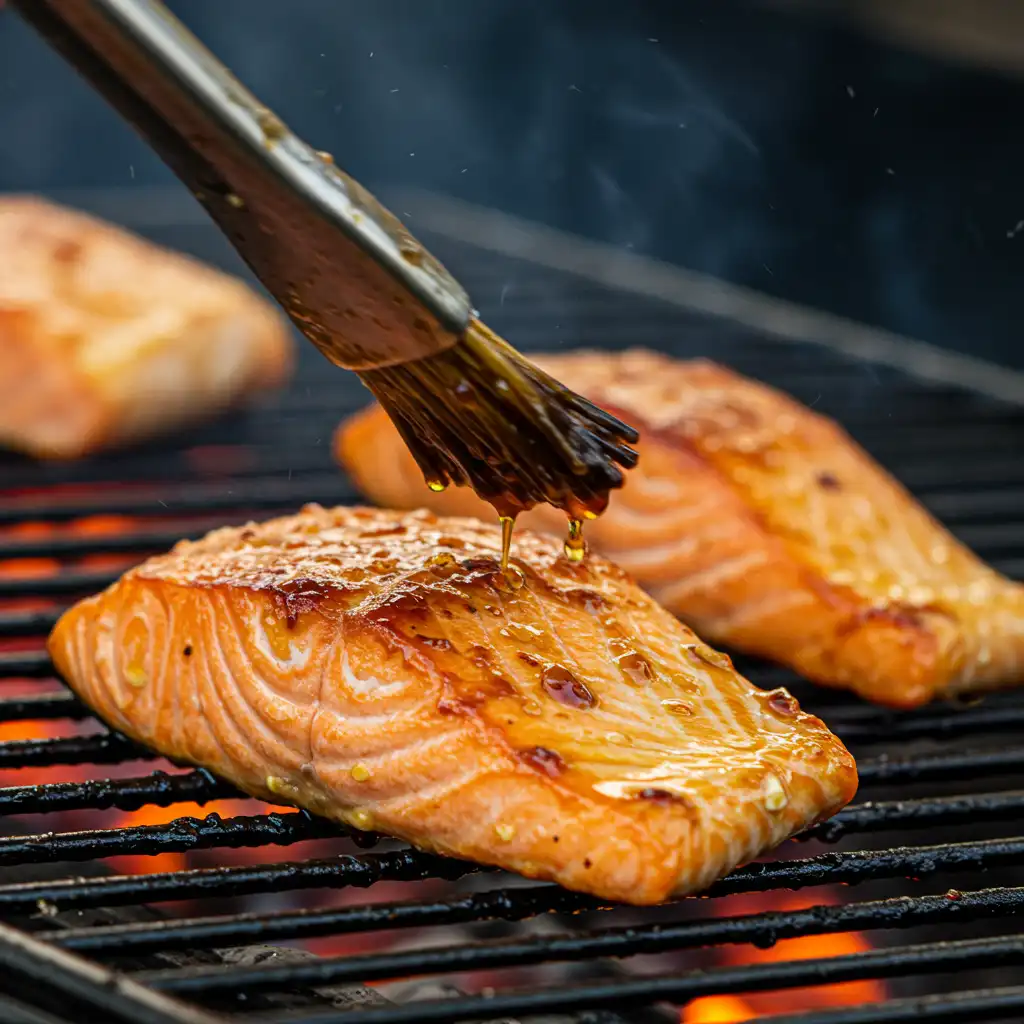
- Baste with remaining marinade while cooking
Broiling Method:
- Position rack 6 inches from heat source
- Preheat broiler on high
- Line pan with foil for easy cleanup
- Broil 4-5 minutes per side
- Watch carefully to prevent burning
Temperature and Timing Tips
- Internal temperature should reach 145°F
- Look for these doneness indicators:
- Skin becomes crispy and charred
- Flesh turns opaque
- Fat begins to render
- Collagen softens
- Rest 3-5 minutes before serving
- Total cooking time: 10-12 minutes
Serving and Pairing
Traditional Accompaniments
- Steamed short-grain rice
- Shredded daikon radish
- Pickled vegetables (tsukemono)
- Miso soup
- Shiso leaves
- Ponzu sauce for dipping
Plating Techniques
- Serve on long rectangular plates
- Position kama at 45-degree angle
- Garnish with:
- Grated daikon mound
- Lemon wedges
- Microgreens
- Shiso leaves
- Sauce presentation options:
- Side dish for dipping
- Light drizzle on plate
- Brush glaze before serving
Wine and Sake Pairing Suggestions
Sake Options:
- Junmai Daiginjo (light, elegant)
- Junmai (fuller body)
- Nama sake (unpasteurized)
Wine Selections:
- Chardonnay (unoaked)
- Pinot Gris
- Dry Riesling
- Champagne or sparkling wine
Temperature serving note: Serve kama hot, immediately after resting.
PrintTraditional Japanese Grilled Salmon Kama
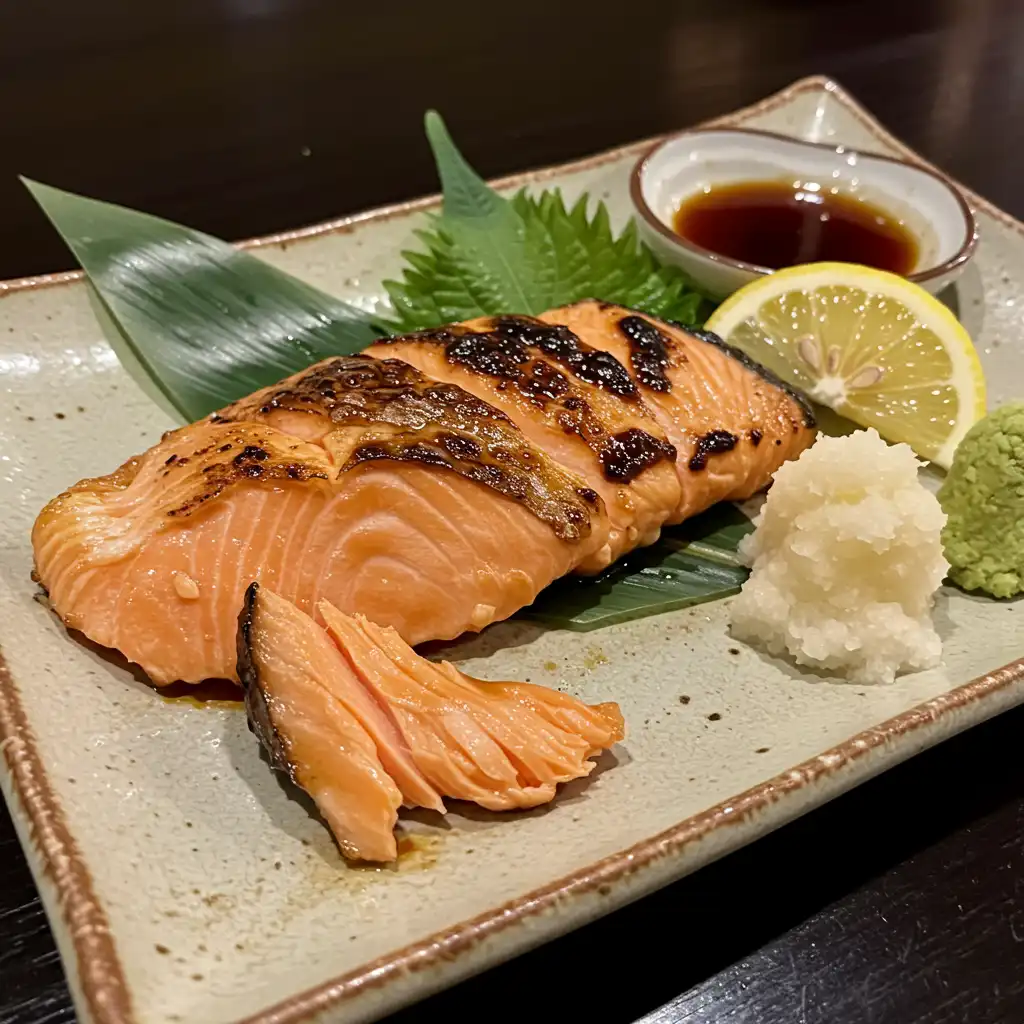
A delicate, flavorful grilled salmon collar marinated in classic Japanese seasonings and grilled to perfection.
- Prep Time: 45 minutes
- Cook Time: 10 minutes
- Total Time: 57 minutes
- Yield: 1 1x
- Category: Main Dish
- Cuisine: Japanese
Ingredients
- 2 salmon collars (kama)
- 2 tbsp soy sauce
- 2 tbsp mirin
- 1 tbsp grated ginger
- 1 tsp white pepper
- Salt for seasoning
- Lemon wedges for serving
- Daikon radish for garnish
Instructions
- Pat dry salmon collars, score skin diagonally
- Season with salt, rest 15 minutes
- Mix marinade ingredients
- Marinate collars 30 minutes
- Preheat grill/broiler to 400°F
- Grill/broil 5-6 minutes per side
- Rest 3-5 minutes before serving
Notes
Notes:
Best served immediately
- Protein: 28g
- Fat: 18g
- Carbs: 12g
- Sodium: 890mg
- Fiber: 1g
Nutrition
- Calories: 320
FAQs
u003cstrongu003eWhat is salmon kama?u003c/strongu003e
Salmon kama (鮭カマ) is the collar section of the salmon, located behind the gills and below the head. This cut is prized in Japanese cuisine for its rich, fatty meat and intense flavor.
u003cstrongu003eWhat part of the fish is kama?u003c/strongu003e
Kama is the collar or shoulder area of the fish, containing the clavicle bone and surrounding meat. It’s positioned between the head and body, featuring both light and dark meat.
u003cstrongu003eAre salmon collars good?u003c/strongu003e
Yes, salmon collars are considered a delicacy due to their:u003cbru003eHigher fat content than other cutsu003cbru003eRich, buttery textureu003cbru003eComplex flavor profileu003cbru003eCombination of tender and firm meatu003cbru003eHigh omega-3 content
u003cstrongu003eWhat is kama Japanese food?u003c/strongu003e
Kama (カマ) in Japanese food refers to any fish collar cut, traditionally grilled and served as u0022kama yaki.u0022 It’s commonly prepared with salmon, yellowtail (hamachi), or tuna.
u003cstrongu003eIs a salmon collar cheap?u003c/strongu003e
Yes, salmon collars are typically more affordable than prime cuts because they’re considered a secondary cut in Western cuisine. However, their value and price are higher in Japanese restaurants due to their prized status.
u003cstrongu003eWhat are the disadvantages of collars?u003c/strongu003e
Common challenges with fish collars include:u003cbru003eMore bones to navigate while eatingu003cbru003eRequires specific cooking techniquesu003cbru003eCan be difficult to find in regular marketsu003cbru003eIrregular shape makes portioning challengingu003cbru003eLimited meat yield per piece
u003cstrongu003eIs Hamachi Kama healthy?u003c/strongu003e
The meat is sweet, tender, full of rich flavor and especially juicy. Hamachi kama is also good for you, since you can cook it with no added fat whatsoever it tastes best simply grilled, with at most a sprinkling of salt, soy and citrusu003ca href=u0022https://rankmath.com/kb/score-100-in-tests/#sentiment-in-a-titleu0022u003e positiveu003c/au003e
Conclusion
Mastering salmon kama opens up a world of Japanese culinary excellence right in your own kitchen. From understanding its unique anatomy to perfecting the grilling technique, you’re now equipped to transform this humble fish collar into a restaurant worthy dish. Remember, the key to exceptional kama lies in proper selection, careful preparation, and attention to cooking details.
Ready to elevate your Japanese cooking game? Start with our detailed recipe, and don’t forget to experiment with different marinades and cooking times to find your perfect preparation method. Have you tried cooking salmon kama before? We’d love to hear about your experience in the comments below!
For more Japanese seafood recipes and cooking tips, subscribe to our newsletter. And if you found this guide helpful, share it with fellow food enthusiasts who appreciate discovering hidden culinary treasures.
#JapaneseCooking #SalmonKama #SeafoodRecipes


Leave a Reply